
Berkshire Hathaway wasted no time.
Just two days after Taylor Morrison shareholders overwhelmingly voiced their approval, Berkshire completed its $8.5 billion acquisition of the homebuilder.
Taylor Morrison’s full brand lineup — including resort lifestyle line Esplanade and build-to-rent Yardly — will now be integrated with Berkshire’s existing site-built arm, Clayton Properties Group. Together, the two operations closed nearly 23,000 homes last year, making the combined platform the fourth-largest homebuilder in America.
“This best-in-class homebuilder will lead our vision for a unified site-built homebuilding operation,” said Berkshire CEO Greg Abel.
Sheryl Palmer, who stays on to run Taylor Morrison, called the deal “transformative” and heralded it as “unlike anything [else] in the industry”.
Speaking on CNBC, she described the acquisition as a chance to step off the industry’s treadmill of short-term pressures. “First of all, we [now] get to focus on the long game,” said Palmer, “because this is a cyclical business that we operate in. We are ecstatic to build on the scale of this combined homebuilding platform.”
“Now, our ability to acquire land in today’s market at very disciplined prices and invest through these more unique times, I think provides a unique opportunity. Honestly, that patient capital is one of the things that Berkshire provides that I’m so excited about. We can focus on three, five, ten years out from today.”
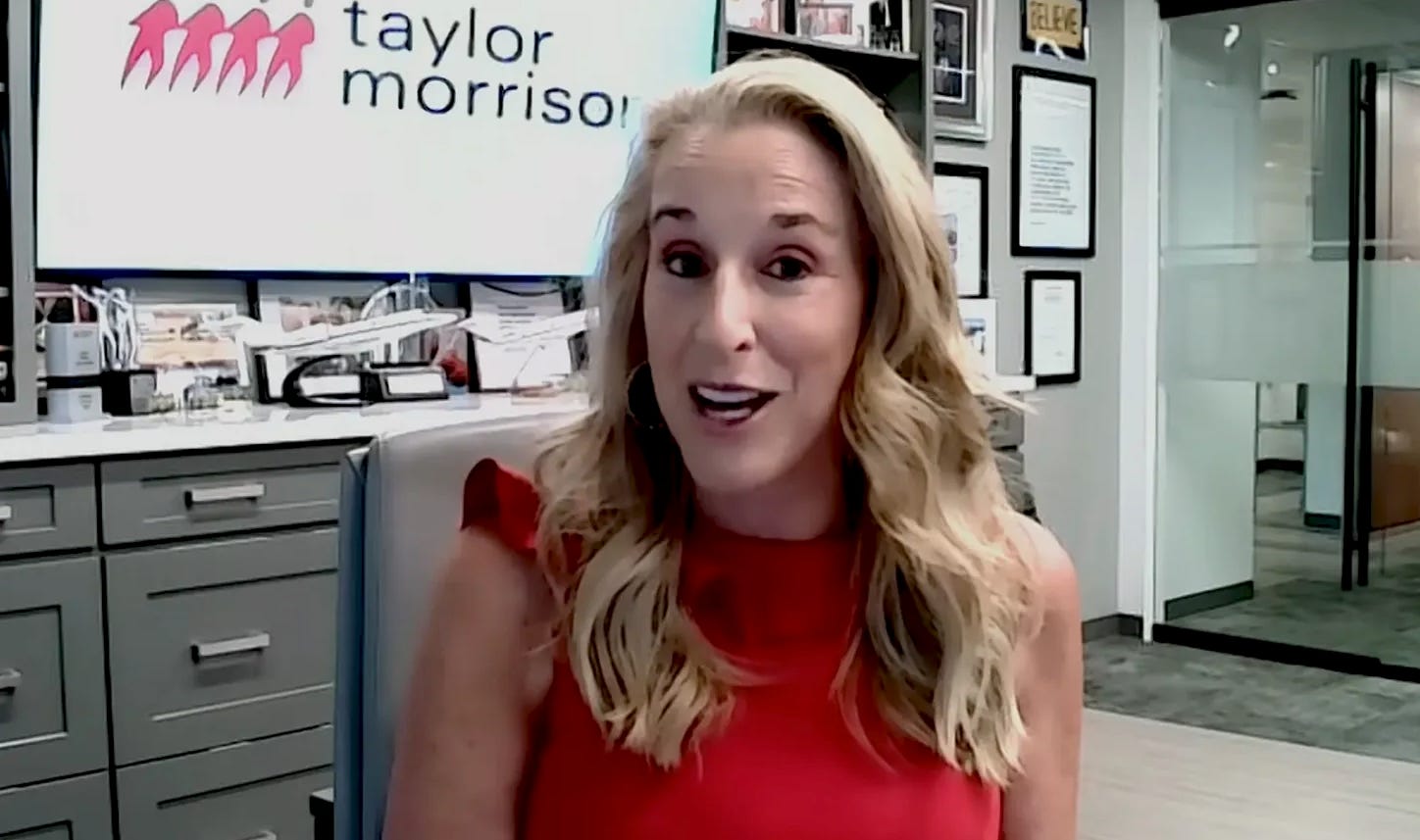
Palmer also sees the deal as validation of Taylor Morrison’s time-tested approach. “Berkshire buys companies because they believe in them and want them to continue [doing] what they do so well,” she told Bloomberg Television. “This is homebuilding history. We’re joining one of the most reputable companies in the world — a company that’s going to back us fully. What’s central for [Berkshire] is that homeownership remains [integral] to the American dream.”
In homebuilding, she noted, scale matters. A lot. “[But] it’s not just big for big’s sake. It’s big so that we can provide a quality product at the right price to fulfill more Americans’ homeownership dreams. Ideally, we would love to see [the combined Berkshire site-built platform] as a top-three builder in every market we compete in.”
More news and notes from the Berkshire Hathaway orbit…
After “better-than-expected performance” so far this year, American Express raised its revenue growth guidance for the full year. CEO Stephen Squeri told shareholders that he plans to plow that upside right back into the business. “We can either drop the over-performance to the bottom line and buy back more shares,” he said, “or we can invest to grow the business further through the wide range of attractive growth opportunities we have across our business. We have chosen the latter because, in the long run, it is the one that creates the most value for our shareholders.”
This reinvestment encompasses everything from technology to acquisitions — like the pending purchase of TheFork — to continued card-portfolio expansion. “There is no shortage of technology investments or enhancements” left to make, added Squeri.
A few more interesting details from AmEx’s earnings report and call: (1) the Platinum portfolio is on fire, now ranking as the company’s fastest-growing U.S. consumer business; (2) over 70% of new accounts this year came from fee-based products, part of a deliberate tilt toward higher-value cardholders; (3) that focus on high-credit-quality customers has kept delinquency rates steady in a 1.2-1.3% band for three straight years; and (4) AI has cut engineering cycle times by 30-40% and reduced the need to backfill customer service and travel agent roles, allowing headcount to shrink through attrition rather than layoffs.
Coca-Cola also enjoyed a strong second quarter, with global unit case volume increasing by 5% amid broader gains in revenue and earnings per share. A result new CEO Henrique Braun credited, at least in part, to sponsoring a certain summer soccer tournament. “We had, during the World Cup, a great opportunity for us to shine our brands,” he told CNBC. “We’re very pleased with the way that we showed up in the World Cup.”
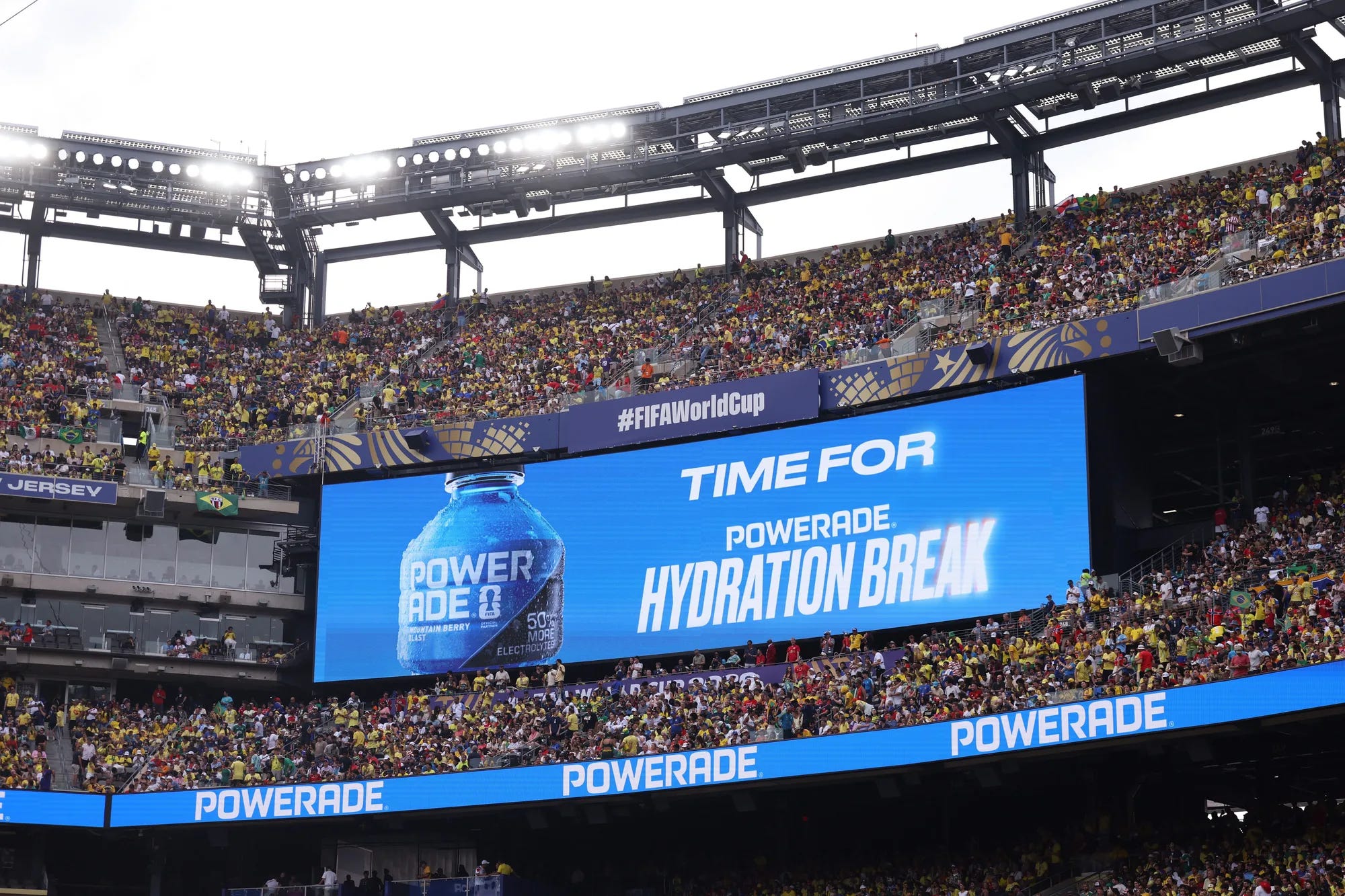
Even the mid-match hydration breaks — maligned by some fans as a flimsy excuse for more TV commercials — seemed to pay off. Sales of Powerade, which sponsored the breaks, jumped 8% in the second quarter.
Earlier this week, Apple briefly crossed the $5 trillion market cap line for the first time — becoming only the second company ever to do so — before slipping back under before the close. The Cupertino-based tech giant also recently leapfrogged Nvidia to reclaim its place as the world’s most valuable company. (This may or may not still be true by the time you’re reading this, as Apple’s stock price took a hit last evening due to disappointing revenue guidance for next quarter.)
After Union Pacific and Norfolk Southern filed new information with regulators in defense of their proposed merger, BNSF Railway CEO Katie Farmer fired back. “Despite UP and NS’s fourth attempt to submit a complete application,” she said in a statement, “the bottom line remains the same. UP and NS have not changed the core of their proposal that fails to demonstrate how combining two major railroads into a single carrier would preserve — much less enhance — competition as required by the Surface Transportation Board’s merger rules.”
Farmer didn’t stop there, framing the deal as a threat to the broader economy rather than just a competitive dispute between rival railroads. “This would be an anti-competitive transaction between two financially healthy companies that will reduce competitive options and raise rates on rail customers, result in higher prices for consumers, and thus do great harm to the American economy and broader supply chain.” The STB is expected to issue its ruling sometime in 2027.
According to the Wall Street Journal, United approached Delta last year about merging airlines. United CEO Scott Kirby reportedly called his Delta counterpart Ed Bastian to quietly float the idea. Delta mulled it over, but talks stalled before ever gaining any real momentum. Both airlines lean hard into premium travelers over budget-conscious flyers — and, together, captured more than 90% of the industry’s profits last year. Any deal, though, would almost certainly draw antitrust scrutiny.